Category: News

Advancing Conservation Science in Sabah: What Dung Beetles Reveal About Ecosystem Health

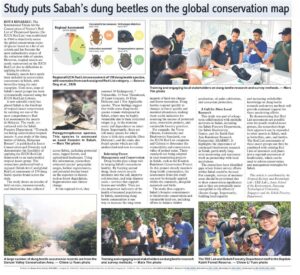
The IUCN Red List remains the most widely used global benchmark for understanding extinction risk and guiding conservation action. Yet tropical insects, despite representing the majority of biodiversity in regions like Borneo, remain largely absent from these assessments. This gap reflects persistent challenges, including limited data on species distributions and trends, difficulties in applying Red List criteria to invertebrates, and limited coordination between tropical entomologists and formal assessment processes.

A recent study published in Insect Conservation and Diversity by researchers from Nanyang Technological University (NTU Singapore) addresses this gap directly. Led by the Tee Lab and working with collaborators in Sabah and the wider research community, the team developed a practical framework for applying the IUCN Red List approach to data-limited tropical insects. Using this method, they conducted both regional and global assessments of 159 dung beetle species from Sabah, demonstrating how these often-overlooked taxa can be systematically evaluated and incorporated into mainstream conservation planning.

Research Focus and Findings

The study uses dung beetles as a case study to show how conservation status can be inferred from species distributions, habitat associations and ecological traits, even where data are limited. Because dung beetles respond rapidly to environmental change, they are reliable bioindicators so shifts in their diversity and community structure closely track changes in forest quality, fragmentation and land use.

The results of this study indicate that intact and well-connected forests support the richest and most functionally diverse communities; logged or lightly modified forests can retain significant biodiversity value where ecological structure is maintained; and heavily converted landscapes support simplified communities with reduced ecosystem function. Together, these findings emphasise the importance of landscape-scale management, rather than focusing only on isolated protected areas.

Relevance to Sabah’s Landscape

This work is directly relevant to Sabah, where forests and biodiversity underpin water security, climate resilience and key economic sectors including tourism and agriculture. There is growing recognition locally that natural capital is central to Sabah’s long-term development pathway, and this dung beetle research provides a practical evidence base for this view. It shows how ecological condition can be monitored cost-effectively, and how biodiversity responses can guide decisions on restoration, land use and conservation prioritisation.

CONTRIBUTION TO CONSERVATION PRACTICES

Beyond its immediate findings, the study makes three key contributions to applied conservation. It establishes a replicable method for assessing poorly known insect species within global frameworks such as the IUCN Red List, helping close a major data gap. It increases the visibility of understudied insect groups, ensuring conservation planning reflects the full breadth of tropical biodiversity rather than focusing primarily on vertebrates. And by demonstrating the value of dung beetles as indicators, it provides a practical decision-support tool for evaluating the ecological outcomes of forestry, restoration and agricultural management. Expanding conservation assessments to include insects is essential for understanding ecosystem health and resilience in tropical landscapes. The NTU-led research shows that integrating these taxa into mainstream conservation frameworks is both feasible and necessary.

For Sabah, where development and conservation must be managed within the same landscape, this type of evidence supports better policy, more effective restoration, and a clearer understanding of how biodiversity underpins long-term stability and prosperity. Ultimately, the study demonstrates that robust conservation science can be built even for understudied groups — and that these insights can directly inform how tropical landscapes are managed in practice.

You can read the NTU TEE Lab write up about this publication here.

There is also a YouTube video explainer that speaks to this research from the TEE lab here.


SEARRP Awarded SMBE IDEA Grant to Improve Menstrual Equity in Tropical Fieldwork

SEARRP, in partnership with Dr Nadine Keller, has been awarded the Society of Molecular Biology and Evolution’s IDEA (Inclusion, Diversity, Equity, Access) grant to develop Period Packs—practical menstrual-health kits designed to support researchers working in remote tropical rainforests.

While scientific research is gender-neutral, field conditions rarely are. Almost half of researchers menstruate, yet many field stations lack basic sanitation facilities, privacy, and safe waste-management options for menstrual products. These gaps create avoidable barriers that can limit the participation, comfort, and safety of menstruating scientists.

The USD 25,000 grant will support the design and workshop-based refinement of Period Packs, field trials across Sabah, and the eventual distribution of these kits to all menstruating researchers and research assistants working with SEARRP. Each Pack will include essential menstrual-health supplies and guidance tailored to the realities of rainforest fieldwork—helping to ensure that no one is at a disadvantage when they are conducting their fieldwork.

This initiative aims to set a new standard for inclusive field research practices and SEARRP looks forward to sharing project outcomes in the year ahead.

Society of Molecular Biology and Evolution’s IDEA (Inclusion, Diversity, Equity, Access) grant to develop Period Packs

A must read: Borneo Post article on the world’s tallest fruiting tropical tree—Shorea faguetiana

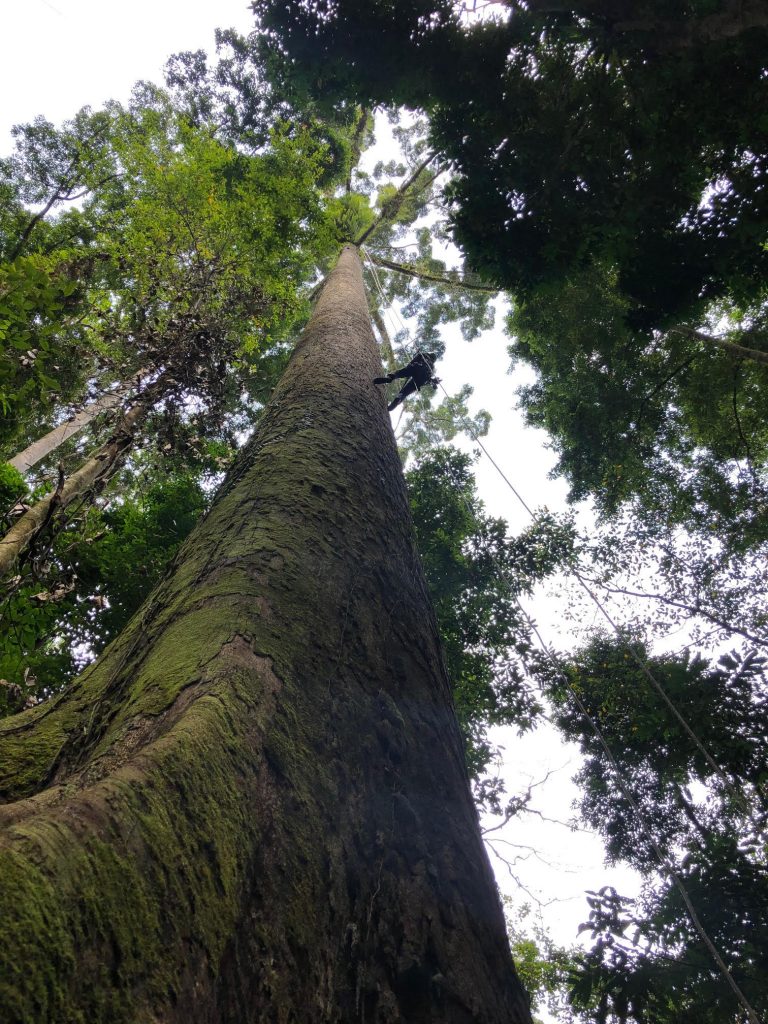
Be sure to check out this excellent article in the Borneo Post that highlights the remarkable discovery of the world’s tallest fruiting tropical tree—Shorea faguetiana, or known locally as Seraya Kuning Siput —and the crucial role played by the South East Asia Rainforest Research Partnership in its identification and measurement. Found in Sabah’s Danum Valley and standing at 100.8 meters, the record-breaking tree, named “Menara (or Tower)” was located using advanced LiDAR and terrestrial laser scanning, and its height was manually confirmed by SEARRP’s expert climber Jamiluddin Jami. All known record-holders of this species are found exclusively in Sabah’s protected forests, including Danum Valley, Tawau Hills, and Maliau Basin.

These discoveries reflect the unique conditions of Borneo’s dipterocarp forests and offer valuable insights into the ecological and physiological factors driving such extreme tree growth. They also demonstrate the strength of long-term collaborations between SEARRP, the Sabah Forestry Department, and international research institutions. Beyond scientific achievement, this work supports broader conservation goals and sustainable forest management under the Sabah Forest Policy 2018, reinforcing Sabah’s position as a global leader in rainforest research and protection.

A climber on their way up to measure the tallest tree ever found in the tropics!
Photo by Unding Jami

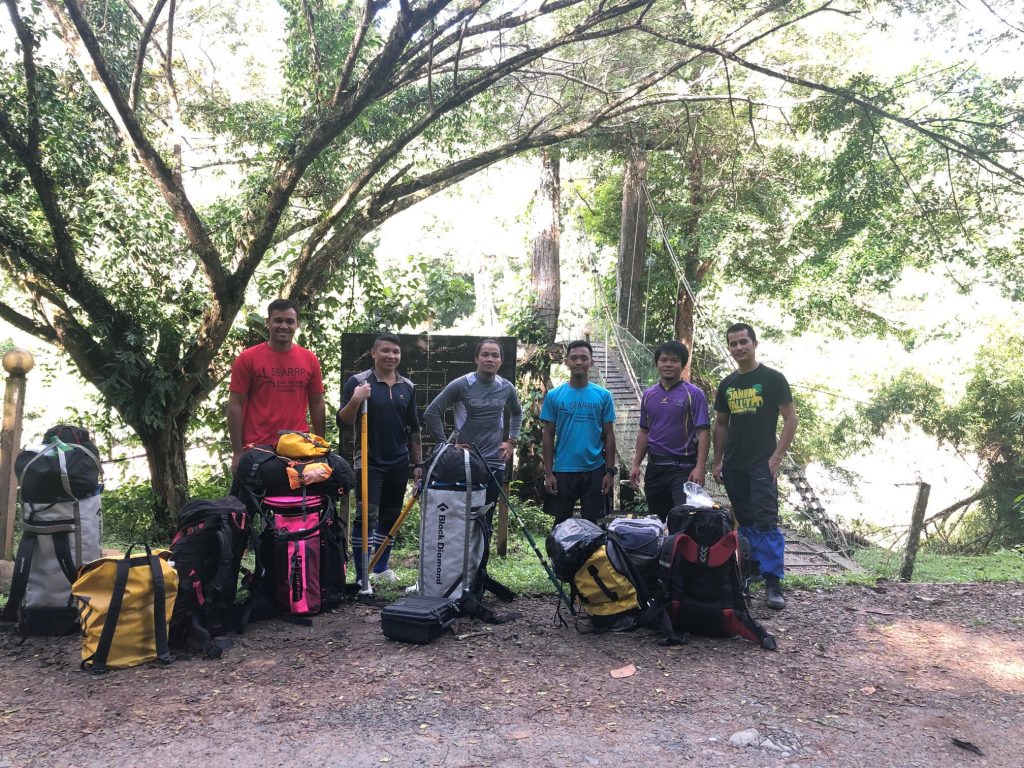
Unding and the SEARRP tree climbing team
Photo by Unding Jami

Climbers measuring the tallest fruiting tree in the world. Photo credit: Unding Jami

Important Announcement: SaBC Access & Export License Application Deadline: December 31st 2024

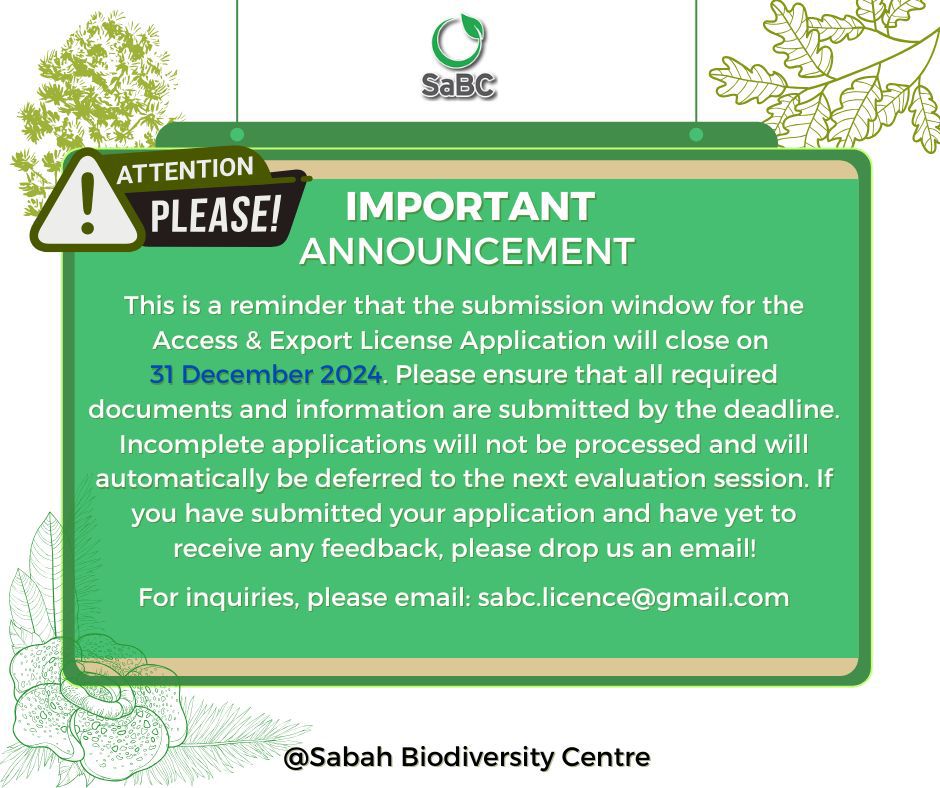
Attention researchers and applicants: The submission deadline for the Access & Export License Application to the Sabah Biodiversity Centre (SaBC) is set for December 31, 2024.

Applicants are reminded to ensure all required documents and information are submitted. Incomplete applications will not be processed and will be deferred to the next evaluation period in 2025.

For scientists who have already submitted their license applications but have not yet received a response, please reach out to SaBC as soon as possible to avoid delay via email at sabc@sabah.gov.my or sabc.licence@gmail.com.

SaBC Access and Export License Application Deadline is December 31st, 2024

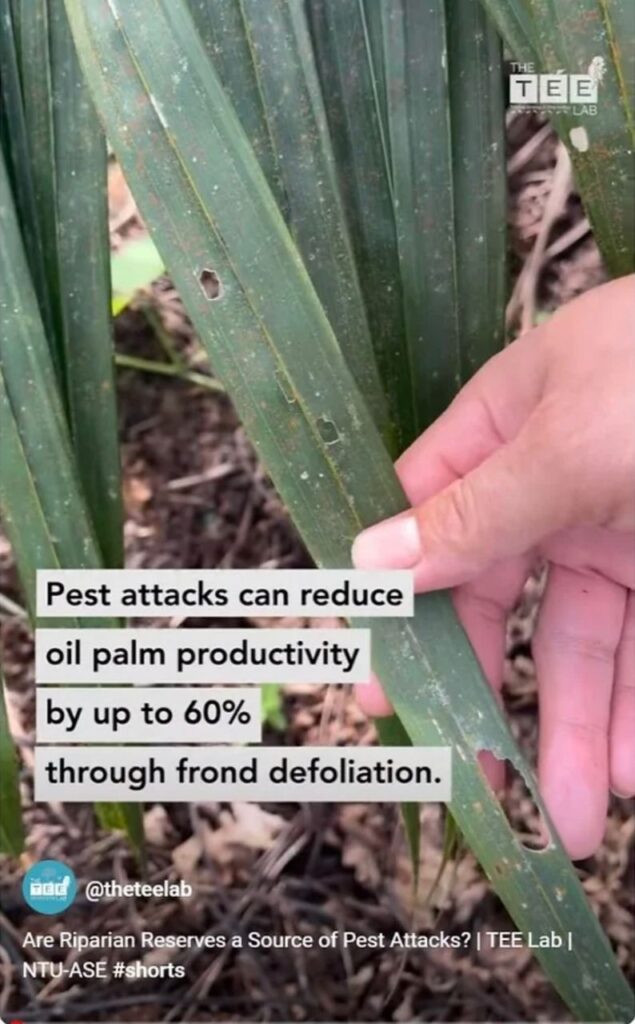
The TEE Lab Has Released Two New YouTube Shorts: Key Findings of Riparian Protection & Pest Control in Oil Palm Plantations

The TEE Lab- Tropical Ecology & Entomology LAB Asian School of the Environment

The TEE Lab is excited to share two new YouTube shorts that showcase key findings from their recent research project, “Riparian Protection versus Pest and Disease Control in Oil Palm Plantations.” This study, led by Dr. Chiew Li Yuen and Dr. Eleanor Slade, is funded by the Ministry of Education, Singapore, and offers valuable insight into sustainable management practices in oil palm agriculture.

Video short on YouTube (1)  highlights key findings from research into ‘Riparian protection versus pest and disease control in oil palm plantations’

Presenting simlar content the Second video short on YouTube (2) highlights further findings The TEE lab research.

Riparian buffers in oil plantations are essential for maintaining water quality, biodiversity and wildlife movement. However, Oil Palm managers are concerned that riparian buffers harbour pests, such as rhinoceros beetles, which can cause an average crop loss of 40% during the first year of harvesting. A study from the TEE Lab was initiated to determine if riparian buffers were the source of rhinoceros beetle pests. The study found that most beetles moved within the palm oil with only a small number going in to the buffers. These findings suggest that riparian buffers are not a significant source of rhinoceros beetle pests in oil palm plantations, which enables researchers to engage with oil palm managers on the potential trade-offs between forest conservation and pest/disease management. Watch the  YouTube shorts here YouTube Short 1 and YouTube short 2 .

The hope for these videos is to make the TEE Lab’s research accessible and to spark interest in this exciting field of tropical ecology and entomology. If you have any questions please contact Dr. Chiew Li Yuen (liyuen.chiew@ntu.edu.sg) or Dr. Eleanor Slade (eleanor.slade@ntu.edu.sg).


The Kuamut Rainforest Conservation Project verified to VERRA standards

The Kuamut Rainforest Conservation Project has had its first Monitoring Report verified, an achievement that demonstrates that it meets internationally recognised standards for its Climate, Community and Biodiversity progress.

This milestone enables the conservation initiative, which is protecting and restoring 83,381 ha of tropical rainforest in the Tongod and Kinabatangan district in the Malaysia state of Sabah, to generate its first tranche of Verified Carbon Units (VCU).

The project has been developed as a public private partnership between Sabah Forestry Department, Rakyat Berjaya Sdn. Bhd. of Yayasan Sabah, and Permian Malaysia, a subsidiary of Permian Global. Permian Global has provided the bulk of the investment for the project. The project has been carried out in a very transparent manner involving state authorities and local NGO involvement especially operational support from the South East Asia Rainforest Research Partnership (SEARRP) and community-focussed organisation, the PACOS Trust.  The forest area, which was selectively logged in the past, has been protected from further logging or degradation and can now regenerate.

Dr Glen Reynolds, SEARRP Director, said: “it really is fantastic to see this project over the line and generating revenues to protect this crucial area of forest – which aside from having enormous conservation, climate mitigation and biodiversity value in its own right, plays a critical role in buffering the primary forests of Danum Valley. SEARRP is delighted to partner with Permian, the Sabah Foundation, Sabah Forestry Department and the PACOS Trust in the delivery of this ground-breaking, science led project. I would also like to thank the Rainforest Trust for providing a grant which co-funded, with Permian and SEARRP, the initial development of the project”.

The full press release can be accessed here.

Kuamut Rainforest Conservation Project Area.

Post-field trip learning & sharing sessions with schools involved in Kembara Rimba Taliwas EE Programme

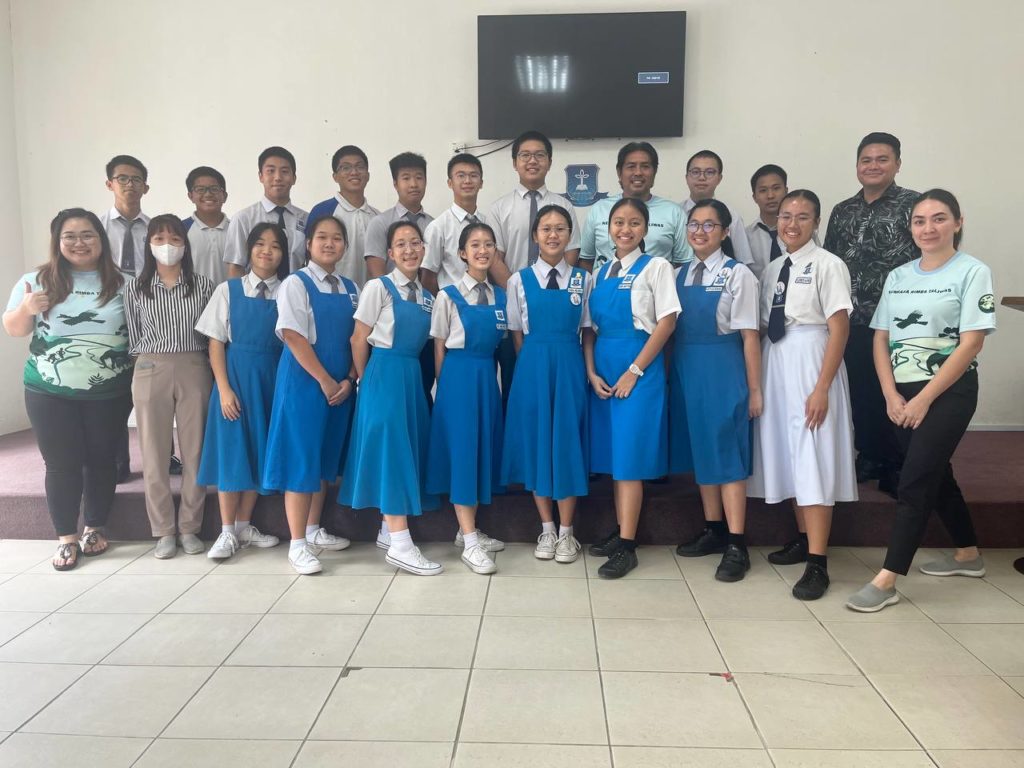
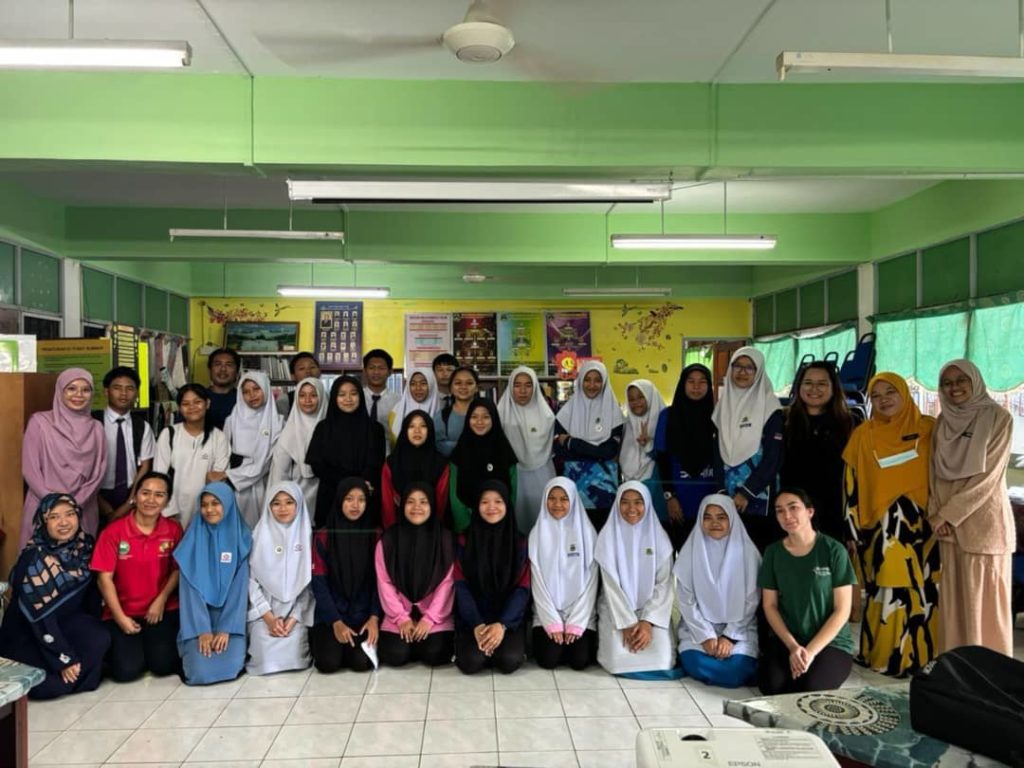
Group photo with Visionary Secondary School, Tawau

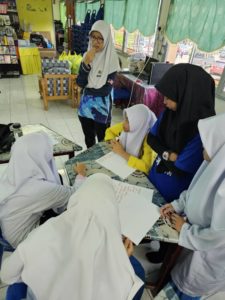
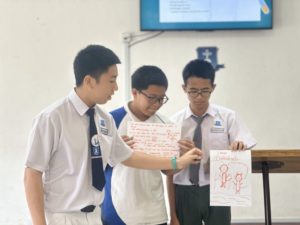
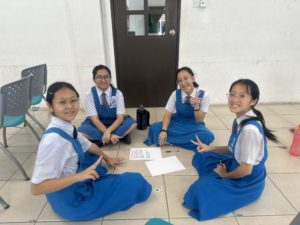
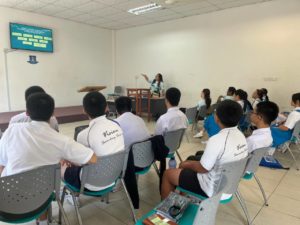
The Kembara Rimba Taliwas Environmental Education programme is an interactive initiative where young Sabahans discover biodiversity, explore natural history and gain an understanding of the current issues impacting the rainforest and local people. Between January 24 and 25, 2024, SEARRP organised two post-field trip learning and sharing sessions in Kinabatangan and Tawau. These sessions provided a platform to present the programmes findings, including observations on iNaturalist, while also gathering valuable feedback from teachers and students regarding the Kembara Rimba Environmental Education programme at Taliwas.

Students presenting the action agenda

Student-led breakout groups & discussions

Action agenda ideas from students


A significant aspect of the program involved instructing participants on the use of the iNaturalist application. iNaturalist is a social network connecting naturalists, citizen scientists, and biologists, focused on mapping and sharing observations of biodiversity worldwide. The Kembara Rimba Taliwas project page documented a total of 288 observations and 131 species throughout the duration of the programme. We are so pleased with these numbers and want to extend a special congratulations to teacher Lawrentius from SM Visi Tawau and student Siti Suhadah binti Barin, SMK Bukit Garam Kinabatangan, for achieving the highest recorded observations on the iNaturalist project page!

Another highlight was a visit from SEARRP Scientist Sui Peng Heon, who gave an Environmental Education talk on The Importance of Scavengers: What happens to dead animals in the rainforest?. This unique opportunity allowed students to interact with a Malaysian scientist and gain insights into her research experiences. We were delighted to witness the enthusiasm among students and hope that this programme serves as an inspiration to all participants now and in to the future.

In addition to sharing findings for iNaturalist, students were encouraged to recount their experiences participating in the programme. Positive reflections were shared by all participants, highlighting their increased understanding of rainforest conservation and EE awareness. Many expressed their desire for this to become an annual initiative. During a breakout activity, students collaborated in groups to devise youth-led actions promoting the protection and conservation of Sabah’s forests. Suggested action points included: spreading environmental awareness through social media, creating environmental conservation clubs in schools, initiating tree planting projects, and using upcycled materials for school decorations.

Group presentation on the action agenda

Breakout group discussions 

SEARRP presentation on the project findings & outputs

SEARRP is so thankful to the teachers and schools who have participated in this EE programme. We have learned so much from the schools that we have worked with and we look forward to taking the lessons learned from this experience to continue and improve our Environmental Education programmes across Sabah.

Group photo with students from SMK Bukit Garam and SMK Bukit Garam II

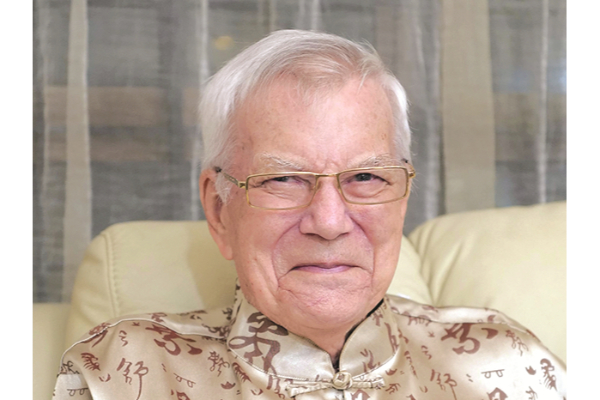
Dr Stephen Sutton

Dr Stephen Sutton

I’m very sad to inform you that Dr Stephen Sutton – who played such a seminal role with SEARRP and the Danum Valley research programme for many years – died on the 31st December in Kota Kinabalu.

Stephen had a long career as a lecturer at the University of Leeds before taking up the position of Research Coordinator of the then Royal Society South East Asia Rainforest Research Programme (SEARRP) in the late 1980’s. Stephen led SEARRP for over 10 years, during which time Danum’s position as one of the leading field research stations in the tropics was cemented – not least as a result of the network of leading tropical ecologists which Stephen encouraged to base studies at Danum (many of whom, and their former students, continue to work as part of the programme to this day). He also forged close and enduring links with many Malaysian scientists and research institutions, including Universiti Malaysia Sabah during its formative years and the Forest Research Centre at Sepilok.

Stephen had an active and highly productive retirement after leaving his role with SEARRP and continued to collaborate on many projects and initiatives that were close to his heart – including an exhaustive description of the Pyralid moths of Borneo and, most recently, the conservation of the Kinabalu Birdwing butterfly (Troides andromache). Stephen’s work with the Kinabalu Birdwing culminated in the species being declared as the State Butterfly of Sabah at the beginning of 2023; a fitting and charming closing act of a life very well lived.

From a personal perspective, I will miss Stephen greatly both as a dear friend and trusted mentor; Stephen recruited me as Senior Scientist at Danum – which was quite a leap of faith given my lack of experience, though this was rather typical of a man who nurtured the careers of numerous young scientists. Stephen’s erudite humour remained undimmed to the very last and I, along with so many others I’m sure, will remember him so very fondly and with such gratitude – not just for his passion for science and conservation, but also for his kindness, wit and generosity of spirit.

On behalf of SEARRP, I’d like to extend our deepest condolences to Stephen’s family – particularly his wife Rosalind.

Glen Reynolds
SEARRP Executive Director

Toolkit for Ecosystem Services Site-Based Assessment Symposium

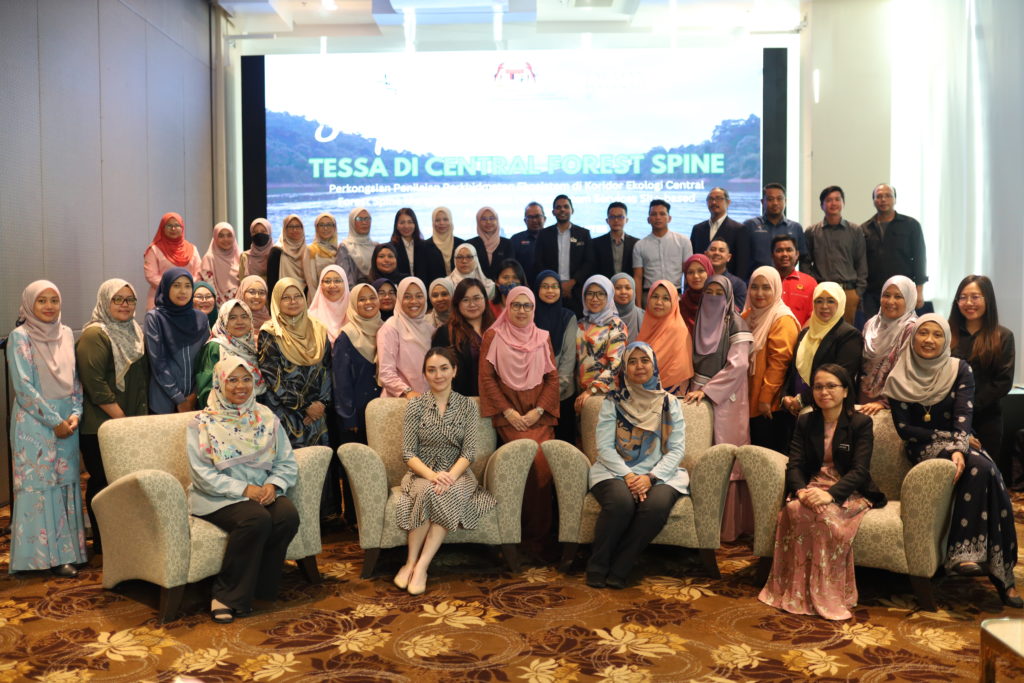
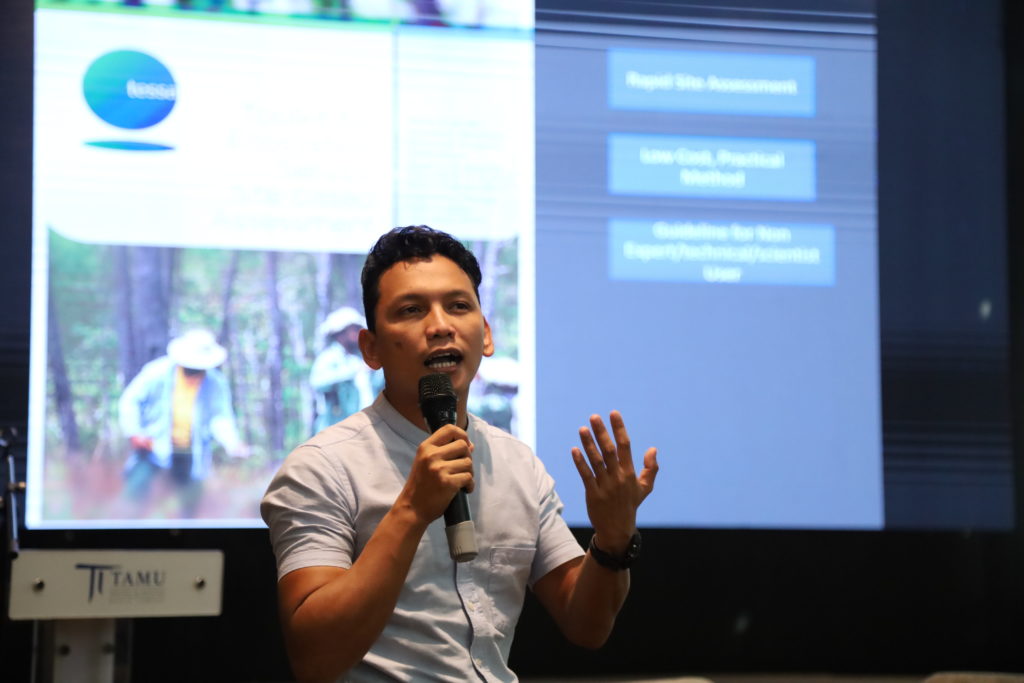
Participant Photo at the Symposium on Assessing Ecosystem Services in the Central Forest Spine (CFS) Ecological Corridors using TESSA

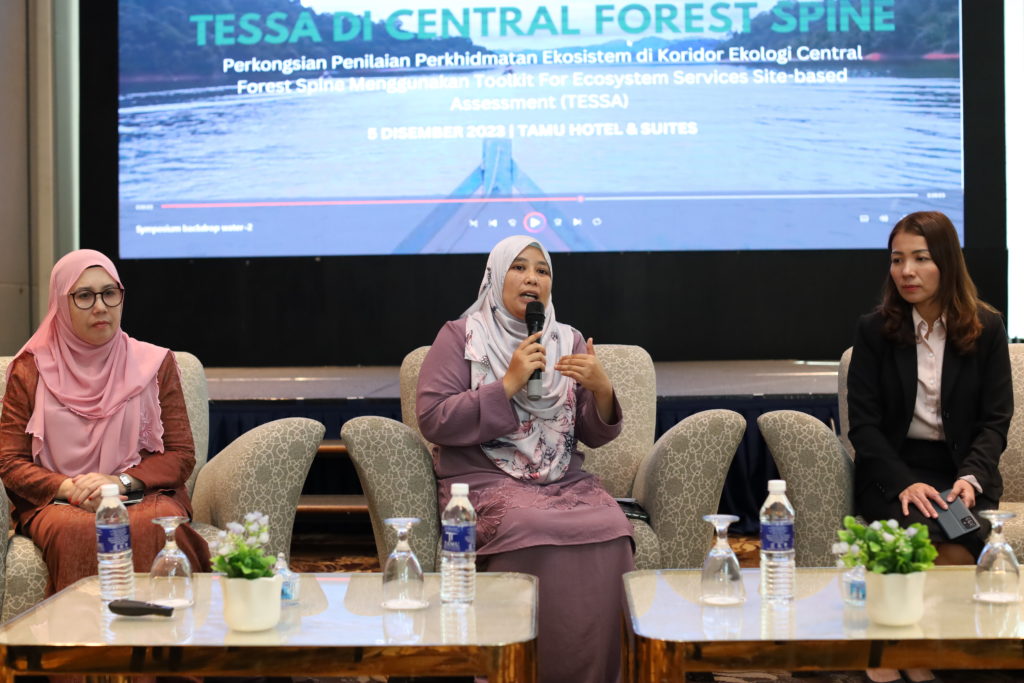
A symposium based on evaluating ecosystem benefits within the Central Forest Spine (CFS) Ecological Corridors took place at the Tamu Hotel & Suites in Kuala Lumpur on December 5, 2023. This meeting focused on utilising the Toolkit for Ecosystem Services Site-Based Assessment (TESSA) to investigate and present discoveries regarding four key ecosystem services across eight states in the CFS landscape. These services encompassed global climate regulation (measured by estimating above-ground carbon stocks), nature-based recreation or tourism, water-related services, and cultural services.

Over 110 participants attended, representing various stakeholders, including governmental bodies such as the Department of Wildlife Protection and National Parks (PERHILITAN), Forest Research Institute Malaysia (FRIM), Department of Environment (DOE), Department of Irrigation and Drainage (DID), Department of Mineral and Geoscience Malaysia, PLANMalaysia, Ministry of Natural Resources and Climate Change (NRECC), and others actively involved in CFS matters.

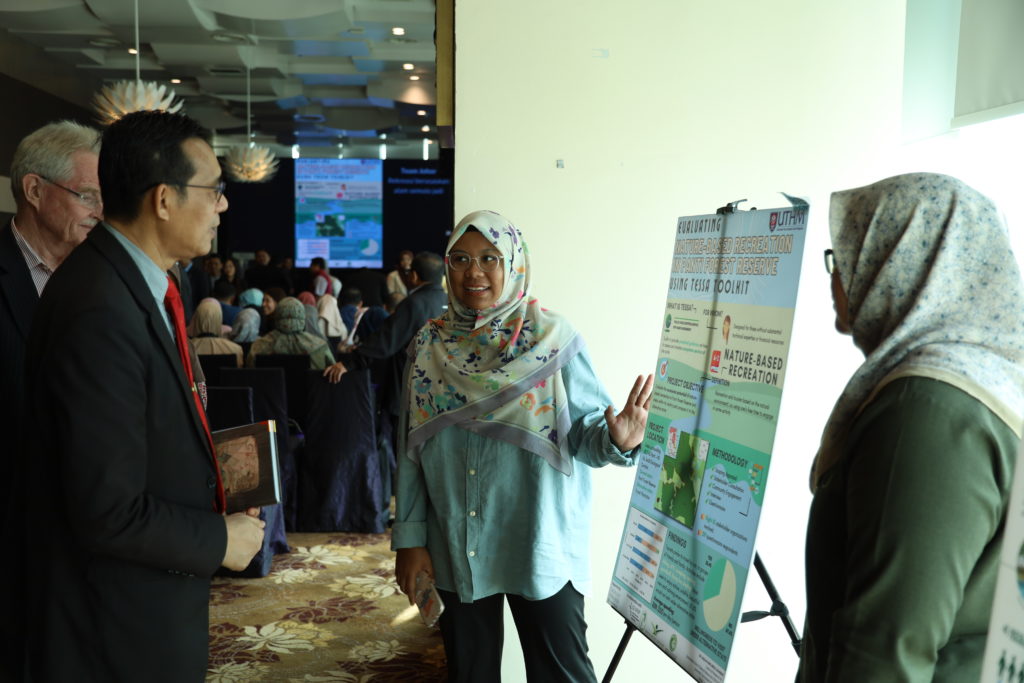
TESSA Symposium poster exhibitions

The symposium commenced with an opening address by YBhg. Dato’ Mohd Rahim bin Rani, Deputy Director-General of Forestry Peninsular Malaysia (Operations and Technical). The project funder, Yayasan Hasanah was represented by its Senior Manager, YBrs. Puan Shreevidya Anandan and SEARRP was represented by Dato’ Henry Barlow, a member of the UK Board of Trustees. Following the formalities, each of the eight TESSA teams showcased their assessment methods and findings through a poster exhibition. The presentations were divided into three sessions, each with a video presentation showing the assessment of water-based services, nature-based recreation services, and climate regulation services.

TESSA presentations sessions on water-based services, nature-based recreation services, and climate regulation services.

The insights gained from TESSA assessments are expected to serve as a valuable resource for conservation and environmental management within the CFS area, which represents a crucial starting point for key stakeholders to further explore the potential of ecosystem services provided by the CFS ecological corridors, potentially guiding future endeavors in this critical area.

TESSA symposium discussion session

Important Announcement for Permit Applications!

Please be advised that effective December 1st 2023, Danum Valley, Maliau Basin and Imbak Canyon permit applications for RESEARCH, PHOTOGRAPHY & FILMING, and DRONE will only be processed through the DaMaI Management Committee Meetings that take place quarterly. The following dates are the deadlines for permit application submissions for year 2024. If you have any questions or require further information please contact the DaMaI secretariat at DaMaI.Secretariat@gmail.com.

2024 DaMaI Permit Application Deadline